Solo travel · Food
A Table for One: How to Eat Dinner Alone (and Actually Enjoy It)
 Bartu Bozkurt · 5 min read
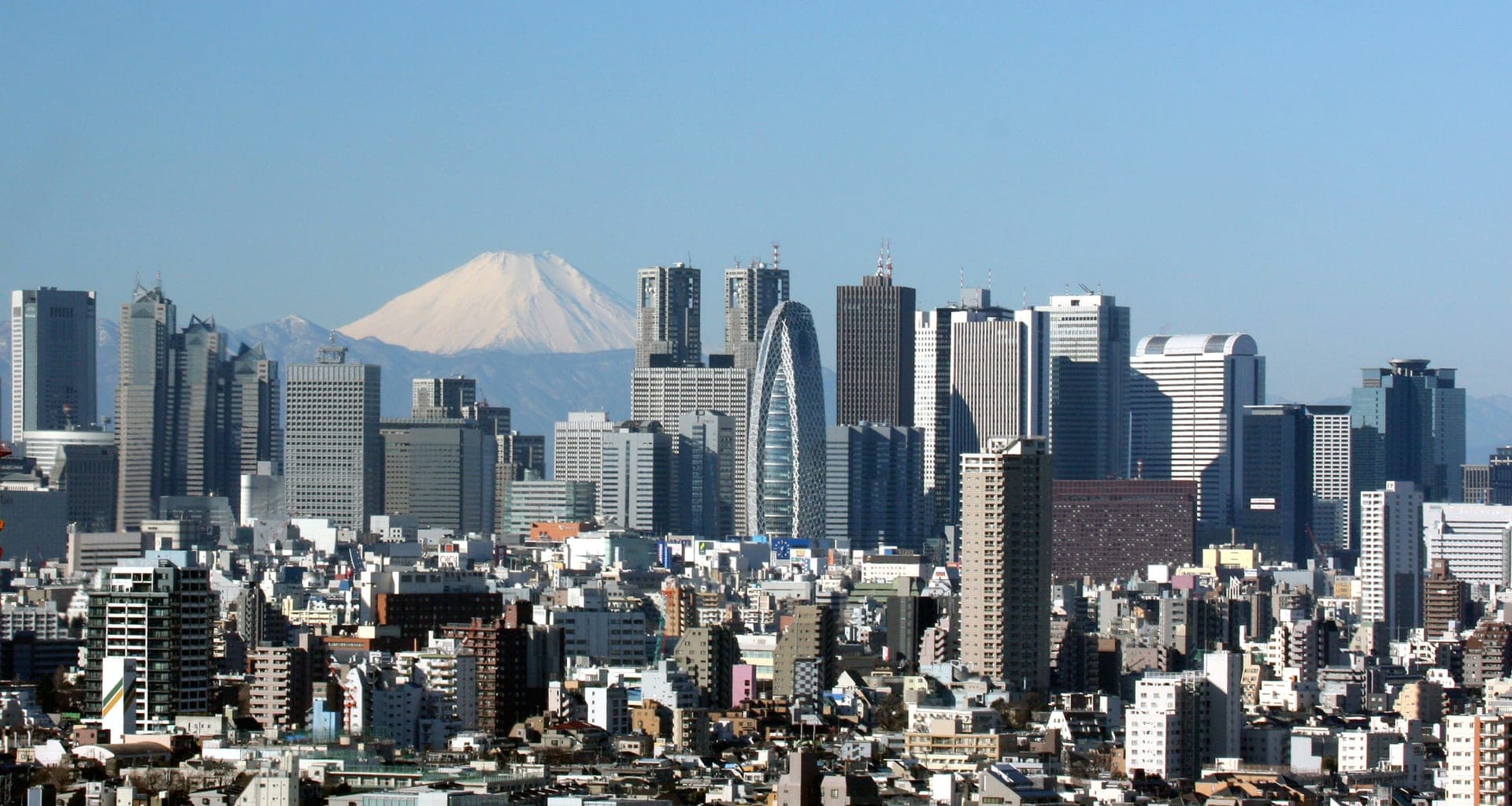
Photo: Morio / CC BY-SA 3.0
"Just one?"
Two words, said kindly, by someone who says them forty times a night. And yet for a lot of people traveling alone, those two words are the hardest moment of the day, harder than the train strike, harder than the hostel with no hot water. It's enough that plenty of solo travelers quietly give up on restaurants altogether and live on supermarket sandwiches eaten in their room.
That's a waste of a trip. Food is half the reason to go anywhere. So here's how to eat alone, properly, and actually enjoy it.
First: nobody is looking at you
There's a well-studied effect in psychology called the spotlight effect: people consistently overestimate how much others notice them. In one classic experiment, students made to wear an embarrassing T-shirt into a room guessed that about half the people there would notice it. The real number was closer to a quarter.
The couple at the next table aren't wondering why you're alone. They're wondering whether to get dessert. The waiter isn't pitying you. They're thinking about table six. You're the main character of your dinner, and a background extra in everybody else's.
Knowing that doesn't make the feeling go away on its own, but it helps to know the feeling is wrong.
Take the counter
The single best tip in this post: sit at the bar or the counter whenever there is one.
A table for one in the middle of a room feels exposed. A counter seat is the opposite: it's built for one, you face the kitchen or the bartender instead of an empty chair, there's always something to watch, and the people either side of you are usually alone too. Bartenders and chefs at the counter are also the people most likely to talk to you, tell you what's good, and slip you something to try.
Tokyo figured this out a long time ago. Ramen counters, sushi counters, standing bars, even ramen chains with little private booths built for one: in Japan, eating alone is such a normal thing that it has a name. You don't have to fly to Tokyo, but you can steal the idea anywhere. Tapas bars in Spain, izakayas, taquerías, oyster bars, wine bars and hawker centres are all formats where one person fits naturally.
Pick your timing
Restaurants are at their most couple-and-group-shaped at peak dinner hour on a Friday. They're at their friendliest an hour earlier or later. Go at opening time and the staff aren't busy yet and you'll get the best seat. Go late and the room has loosened up, the kitchen is winding down, and people are more likely to chat.
And don't forget lunch. In a lot of the world lunch is the main meal, and it's much less couple-heavy than dinner. Spain's menú del día, a fixed-price lunch with a starter, a main, a dessert and often wine, is one of the best-value meals in Europe and full of people eating alone on their work break. Make lunch your big meal and dinner can be something small and easy.
Bring something, but not your phone
You're allowed to have company that isn't a person. A book, a notebook or a paper map all work. They give your hands and eyes something to do and make you look like someone enjoying a quiet evening, which you are.
A phone does the same job in theory and worse in practice. Scrolling at a table makes you feel more alone, not less, because you end up looking at the lives of people who aren't there. And it closes you off: nobody leans over to ask what you're reading when you're on Instagram. Try the first half of the meal without it. Look at the room. It's the best people-watching seat you'll get all day.
Order like no one's sharing
Eating alone means nobody vetoes your order. Nobody else has to want the weird regional thing, the sea urchin, the third course or the tasting menu. Order exactly what you want. Order the thing you'd never get with company. Ask the waiter what they would eat, then order that.
The one tricky case is food built for sharing: mezze, family-style Chinese, Korean barbecue (some places want two people minimum for the grill). Here you can either say up front that you want small portions, which many places will happily do, or treat it as a good reason to find company for the night, which brings us to the next part.
Or don't eat alone
Everything above makes dinner alone more pleasant. But you don't always have to eat alone just because you're traveling alone.
- Food halls and markets have long shared tables where a single person is the default, not the exception.
- Hostel family dinners are cheap, cooked by staff or volunteers, and eaten at one big table. Even if you're not staying there, some will let you join for a fee.
- Food tours and cooking classes are the most reliable way to turn a meal into a small group, because the group is the whole point.
- Supper clubs, where someone cooks for a dozen strangers in their home, are now common in many big cities and designed precisely for people who don't know each other.
- Just ask. "I'm going to that taco place at eight, want to come?" is the most useful sentence a solo traveler can learn. Said to the person you just did a walking tour with, it almost always gets a yes.
Tip well, come back
If a place was good to you as a solo diner, go back. A second visit to the same place, ideally the next night, turns you from a stranger into a regular, and regulars get remembered. Being greeted by name in a city you arrived in four days ago is one of the quiet best feelings in travel.
And if the counter seat taught you anything, it's this: eating alone isn't the same as being lonely. Sometimes it's just the best seat in the house.
When you'd rather have company, Suppertime was built for that exact moment. It's an app where solo travelers post small plans (very often dinner) in whatever city they're in, and others join. Pick a "tacos at 8" that someone else already posted, or post your own and see who turns up. It's free on iOS.