
Solo travel · Travel tips
How to Meet People When You’re Travelling Alone (Without Being Weird About It)
 Bartu Bozkurt · 4 min read
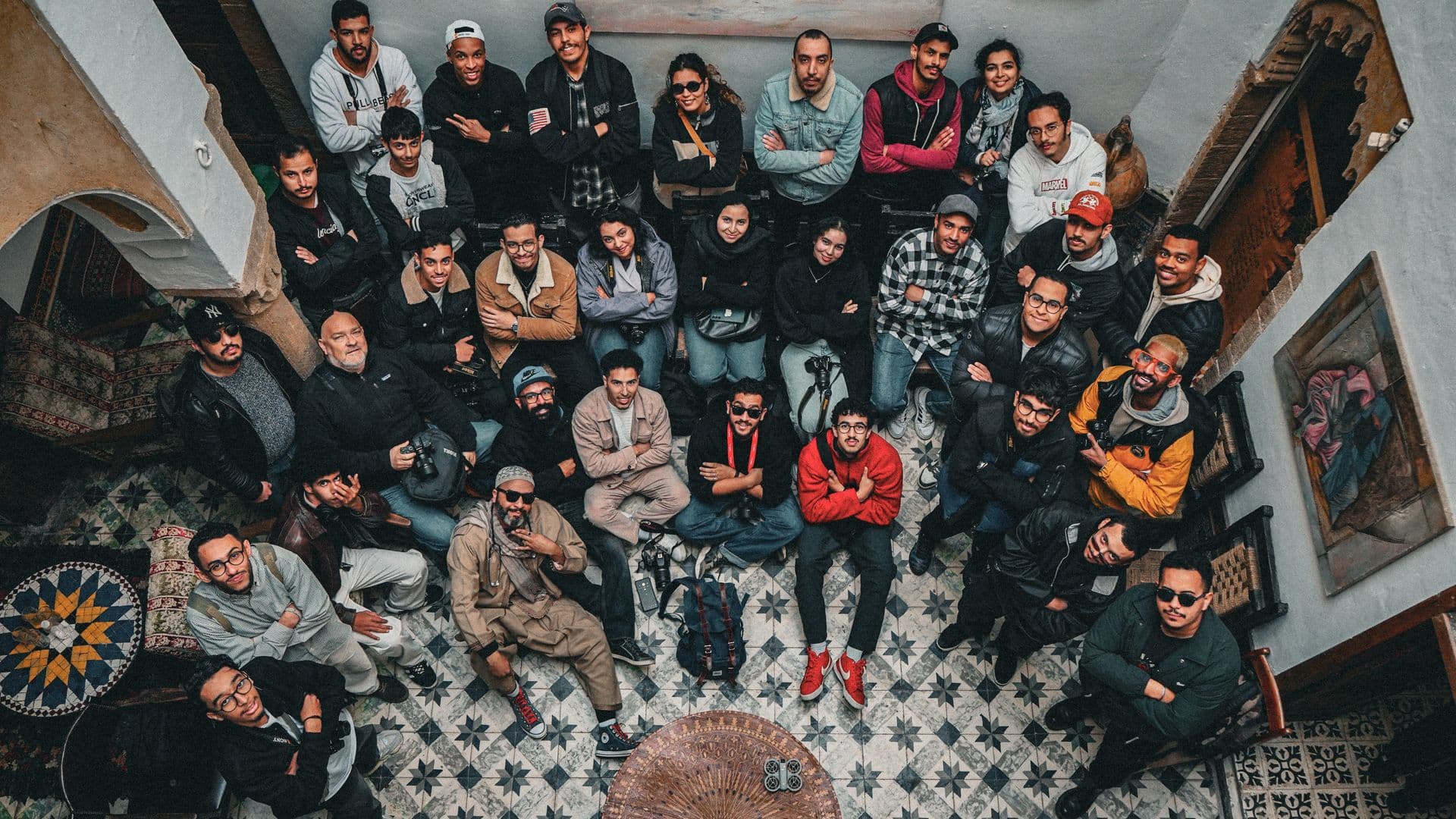
Most advice on this topic is written by extroverts and it shows. “Just talk to people!” Thanks. Incredibly actionable.
Here’s a version written for people who find that genuinely hard — a set of formats, not personality advice. Because meeting people while travelling alone is much less about charisma than it is about putting yourself in situations where conversation is structurally inevitable.
The core principle: never rely on mingling
Unstructured social space — a hostel common room, a bar, a beach — is the hardest possible mode. There’s no script, no shared task, and no natural opening line, so every interaction has to be started from nothing by somebody willing to risk it.
Structured space does the work for you. A cooking class has a script. A hike has a script. A pub quiz has a script. You will talk to five strangers in the first ten minutes without once having to *decide* to talk to a stranger.
So the rule is: stop trying to be more outgoing, and start choosing better formats.
Formats that reliably work
Free walking tours. Underrated as a social tool, not just a sightseeing one. Two hours, a shared experience, and a built-in ending where everyone stands around slightly unsure what to do next. That’s your moment: “anyone want to get lunch?” Someone will say yes. Someone always says yes.
Anything with a table. Cooking classes, wine tastings, communal hostel dinners, food tours. Sitting down together is the strongest social technology humans have. You physically cannot sit at a table for two hours without conversation happening.
Anything with a shared difficulty. Hikes, surf lessons, climbing gyms, long bus rides. Mild shared suffering bonds people faster than mild shared pleasure. This is well documented and also just obviously true.
Language exchanges and meetups. In most cities of any size there’s a weekly thing where locals practising English meet travellers practising the local language. The whole event is engineered so that strangers talk to strangers. Purpose-built.
Small group day trips over big bus tours. Twelve people is a social unit. Fifty people is an audience.
Sports and games. Pickup football, running clubs, board game cafés, bouldering. Almost every city has them, almost no travellers use them, and they’re full of locals rather than other tourists — which is a different and often better kind of evening.
The tactical stuff nobody says out loud
Stay in fewer places, longer. Three nights minimum, ideally more. One-night stops guarantee every connection dies at checkout. Familiarity is built by seeing the same face a second time.
Choose accommodation for its common area, not its rooms. Two hostels can have identical dorms and completely different social outcomes. Read reviews specifically for words like “common room,” “rooftop,” “family dinner,” “staff organise.” A hostel with a bar and a shared kitchen will hand you a social life. A hostel with a vending machine and a corridor will not.
Take the free breakfast. It’s the single most social hour in a hostel and almost everyone is too hungover to be intimidating. Nobody is performing at 8:30am.
Ask questions that can’t be answered in one word. “Where are you from” gets you a country and a dead end. “What’s the best thing you’ve done here?” gets you a story, an opinion, and usually a plan. Travellers are desperate to recommend things. Let them.
Extend the invitation immediately. The most valuable sentence in solo travel is: *”I’m going to X later, want to come?”* Said casually, with a specific thing and a specific time, it costs nothing and the rejection is painless because it’s a plan, not a bid for friendship.
Accept that most of them are two-day friends. This is not a failure state. It’s the format. You will have an intense, genuine, wonderful eighteen hours with someone and then never see them again, and that’s a complete thing in itself, not a failed version of a longer thing.
What to do when you’re actually bad at this
Give yourself a quota, not a vibe. “I will start one conversation today” is achievable and measurable. “I will be more social” is neither.
Go early. Arriving first to anything means you meet people one at a time as they trickle in, instead of walking into a formed room and having to break in.
Have a job. Offer to take the group photo. Carry the speaker. Ask the waiter for the extra chairs. Being useful is a legitimate and highly effective substitute for being charming, and it’s much easier to fake.
And take the pressure off entirely: you don’t need to make friends. You need to have a good evening. Sometimes those are the same thing and sometimes they aren’t, and both outcomes are completely fine.
— -
Suppertime is an app built around this exact idea — that meeting people is a formats problem, not a personality problem.
You open it in whatever city you’re in and see small activities other solo travellers are doing right now: a dinner at 8, a sunrise hike, a museum, a drink. You join one, or post your own and let people come to you. Each activity gets its own group chat, which disappears when the activity’s over. There are no friend requests, no DMs, and no followers — just the plan, and the people going.
It’s free and available on iOS.