
Solo travel · Travel tips
Your First Solo Trip: What I’d Tell You Over a Beer
 Bartu Bozkurt · 5 min read
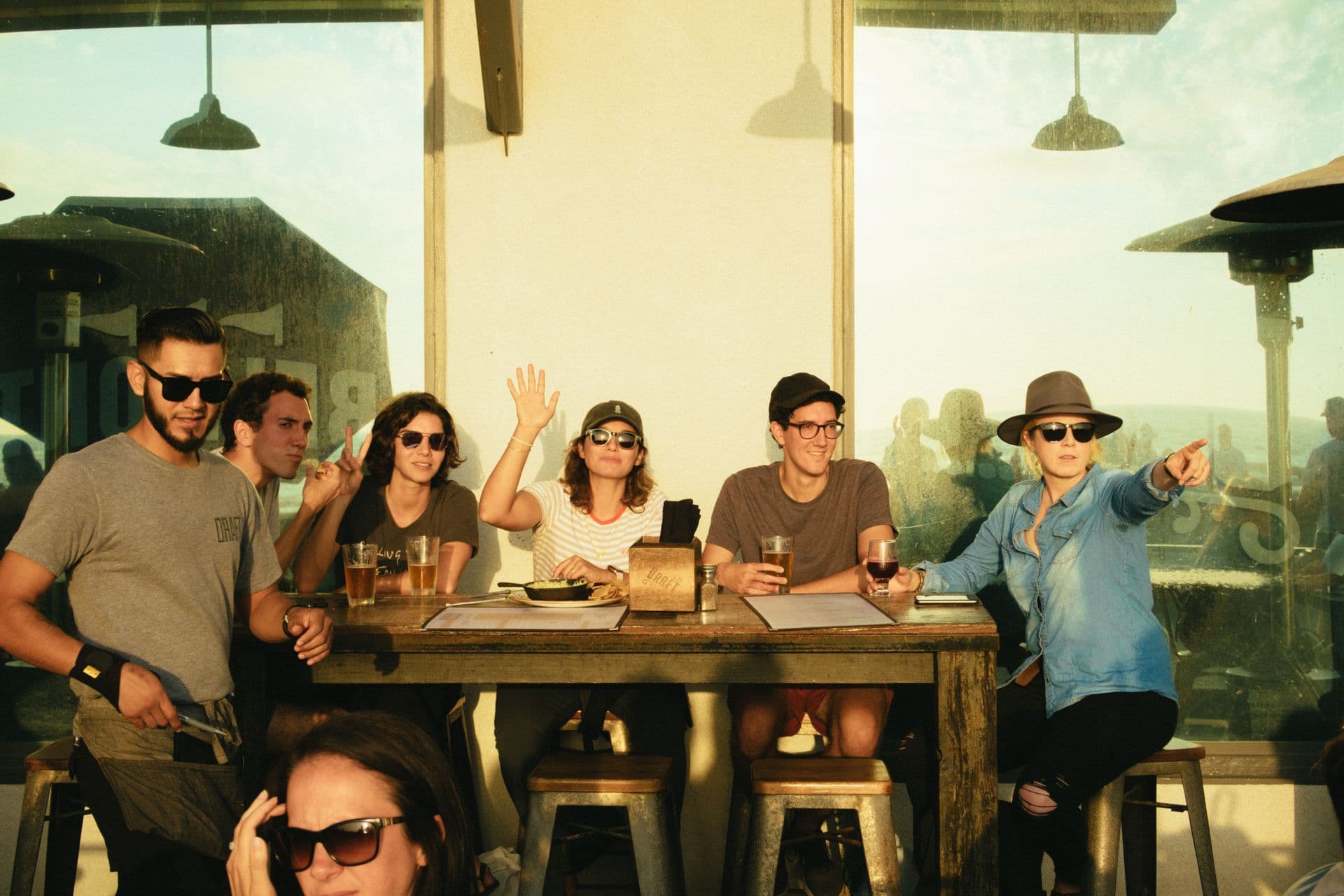
Not a packing list. There are ten thousand packing lists. This is the other stuff — the things that actually determine whether your first solo trip is the one that starts a habit or the one that quietly convinces you you’re not a solo travel person.
Pick an easy country first
There’s a strong instinct to make the first solo trip meaningful and difficult. Resist it. Your first trip alone is already the hard part; you don’t need the country to be hard too.
Easy means: good public transport, widely spoken English or a language you have some grip on, a real hostel and backpacker scene, and low friction on the basics — water you can drink, cards you can pay with, streets you’d walk at night. Portugal, Japan, Thailand, Vietnam, Spain, Georgia, Mexico, Czechia. Places with an existing groove for solo travellers, so you’re joining a current instead of cutting one.
Save the ambitious trip for your third. It’ll be better then anyway, because you’ll know what you actually like.
Go for longer than feels sensible
Ten days is the worst length. You spend three days adjusting, four days doing the highlights on a schedule, and three days packing mentally. You come home having been efficient and not much else.
Three weeks is a different experience entirely. Somewhere around day nine the trip stops being an itinerary and becomes a life — you have a café, you have a laundry situation, you have opinions about the metro. That’s the part people get addicted to, and short trips never reach it.
If you only have ten days, that’s fine — just spend them in two places instead of five.
Move slower than your itinerary wants
The single most common first-trip mistake is fitting in too much. Six cities in fourteen days looks impressive on a map and feels like being processed by a machine.
Practical rule: three nights minimum, anywhere you stop. Below three nights you’re spending most of your time in transit, checking in, checking out, orienting, and repeating. Nothing accumulates. You meet a great group of people on your one night and then leave.
Fewer places, longer stays. Every experienced solo traveller converges on this and every new one has to learn it the hard way.
Book the first two nights and nothing else
Enough certainty to land without panic, enough freedom to change everything after. You will meet someone on day two who says “you have to go to this town” and you want to be able to go.
The exception is high season or a major festival, where you book what you must and accept the loss of flexibility.
The first 48 hours will be strange
You will land, drop your bag, walk outside, and feel a distinct flatness. Possibly a “what have I done.” This is not a sign you’ve made a mistake — it’s just the gap between the trip you imagined and a specific street in a specific city where you don’t know anyone yet.
It passes, usually on day two or three, almost always after the first real conversation with a stranger. Knowing it’s coming makes it enormously easier to sit through. Plan something structured for day one — a walking tour, a class, a booked thing — precisely so you don’t have to make decisions while feeling like that.
Loneliness is scheduled, not constant
It arrives at predictable times: late afternoon, dinner, Sunday. Once you notice the pattern you can build around it. Have a default place to go at 7pm. Have one social anchor most days. That’s all it takes — you don’t need a full calendar, you need to not be deciding what to do at exactly the hour you’re least equipped to decide.
Safety, briefly and unhysterically
Share your accommodation and rough plan with one person at home. Keep a spare card and some cash separate from your wallet. Take a photo of your passport. Don’t get significantly drunk alone on your first night in a new city. Take licensed or app-booked transport at night.
Then stop thinking about it. Most first-time solo travellers are far more cautious than the actual risk warrants, and excessive caution has its own cost: it keeps you in your room, which is where trips go to die.
Things you’ll wish you’d done
Learn ten words of the language. Not for utility — for the reaction. It changes how people treat you out of all proportion to the effort.
Keep a short daily note. Three lines. You will forget more than you expect, and specifics are what you lose first.
Eat where old people eat. It’s the most reliable restaurant heuristic in existence.
Say yes to the thing you’re 60% sure about. Almost every good story from a solo trip comes from a yes that could easily have been a no.
Have one long boring afternoon on purpose. Sit in a park. Don’t optimise it. The trips people remember are not the ones where every hour was maximised.
The actual point
You’re not going alone to prove you can be alone. You’re going alone so that every single thing that happens is yours — chosen by you, not negotiated with anyone, not filtered through what someone else was in the mood for.
Which, in practice, mostly means you get to choose your company instead of arriving with it. And the people you meet out there are self-selected in a way your regular life never is. They also booked a flight by themselves. That’s a decent filter.
Suppertime is an app for the part of this that’s hardest to plan for: the evenings.
It shows you small activities other solo travellers are doing in your city right now — a dinner, a hike, a gallery, a drink somewhere — and lets you join one or post your own. Every activity has its own group chat that exists only for that plan. No DMs, no friend requests, no follower counts, nothing to maintain after you leave the city.
Free, on iOS, and useful roughly ten minutes after you land.