São Paulo · Safety
Is São Paulo Safe for Solo Travelers? (2026)
 Bartu Bozkurt · 7 min read

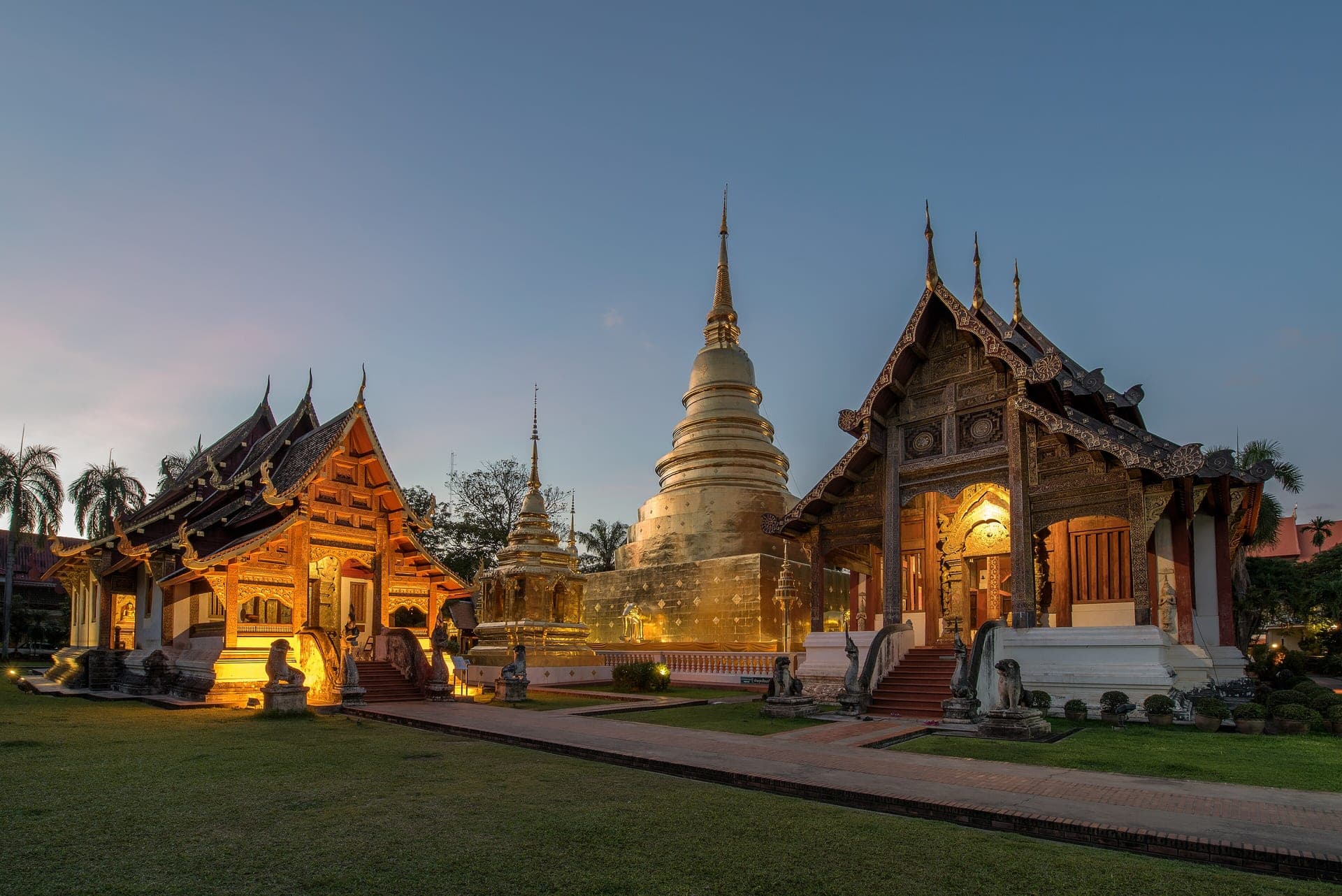
Photo: Agent010 / CC BY-SA 4.0
Quick answer: São Paulo is safe enough for a careful solo traveler, but less safe than most of Europe. The main risk is phone snatching, especially around Avenida Paulista and Pinheiros. Base yourself in Pinheiros, Vila Madalena, Jardins or near Paulista, use the metro by day and Uber or 99 after dark, and hand over valuables if robbed.
This is the city people cut from the itinerary after reading three forum threads. It has real crime, and the official advice reads like the side of a cigarette packet. It also has some of the best food on the continent, so it deserves a straight answer.
Is São Paulo safe for solo travelers?
Yes, with precautions, and most of what goes wrong for visitors is theft. Violent crime exists too, so treat the advice below as habits for the whole trip.
Canada's travel advice says violent crime often occurs around the São Paulo Cathedral, Avenida Paulista, the historic downtown and Luz station, while adding that tourists are mostly affected by theft. Robberies in Brazil can involve guns or knives, which is why British and Canadian advice say the same thing: don't resist.
Beyond phones, these are the risks to know:
- Spiked drinks and dating apps. The UK Foreign Office says criminals have used dating apps to target foreigners, leading to spiked drinks, robbery and theft from bank accounts. Buy your own drink, keep hold of it, and tell someone where you're going. Our safety checklist covers the rest.
- Methanol. The same advice reports deaths in Brazil from alcohol containing methanol, a toxic substance you can't taste or smell. Be careful with spirit-based drinks, and get urgent medical help if you feel unusually ill after drinking.
- Express kidnapping. Victims are held briefly and driven to ATMs, or forced to transfer money through Pix, Brazil's instant payment system. Use cash machines in daylight, and skip any that look wrong.
- Favelas. These are informal, often low-income neighbourhoods. The UK and Canada both advise staying out, tours included, and checking your navigation app doesn't route you through one.
- The centre after dark. Sé and Luz are worth seeing by day. Leave by dusk, by car. The Pinacoteca, the great art museum in Luz, has itself warned visitors about phone theft nearby.
What is the biggest risk in São Paulo?
Phone snatching. It's the crime you're most likely to meet, and it happens in the neighbourhoods visitors actually use, in daylight as well as at night.
Press reports drawing on state security figures put Pinheiros at about 24 phones stolen a day in early 2026, and Avenida Paulista has topped the city's rankings before. Thieves often work on bicycles or motorbikes, taking the phone from your hand as they pass. In 2025 a cyclist went for a TV reporter's phone on Avenida Faria Lima as he got ready to go live.
The UK advises against using your phone in the street, and says thieves target phones particularly between 4pm and 9pm. The habits are simple:
- Check your map indoors. Step into a shop or a lobby. If you must look outside, put your back to a wall, well away from the kerb.
- Keep it off the table at outdoor cafés and bars.
- Wear a crossbody bag at the front, with the phone inside it.
- Don't chase anyone. Thieves may be armed.
Do the rest before you fly, because a stolen phone is also a set of keys to your bank. Use a long passcode, set a SIM PIN, turn on Stolen Device Protection if you have an iPhone, back everything up, and keep a spare bank card at your accommodation. Some travelers carry an old phone for the street and leave the good one locked away.
What is the safest area to stay in São Paulo?
Jardins is usually rated the calmest, and Pinheiros is the best all-round base for a solo traveler. No area here is free of phone theft, so pick for what you want to do, then keep the habits above.
| Area | Best for | Watch for | Metro |
|---|---|---|---|
| Pinheiros | Food, walking, a first base | Leads the state for phone theft; bus terminal, Faria Lima | Yellow Line |
| Vila Madalena | Bars, street art, nights out | Quiet side streets at night | Green Line |
| Jardins | Nervous first-timers, good hotels | Expensive, less sociable | Walk to Green Line |
| Paulista area | Metro links, MASP | Phone theft on the avenue; take a car back late | Green and Yellow Lines |
| Historic centre | Day visits only | On Canada's list of violent crime hotspots | Blue Line |
Rates in the historic centre will look tempting. They are cheaper for a reason.
How do you get around São Paulo safely at night?
Take Uber or 99 door to door after dark, even for a ten-minute walk. The metro is the better choice by day and in the early evening.
99 is a Brazilian ride-hailing app that works much like Uber. Wait inside until the car is close, and check the driver and number plate before you get in. Avoid unofficial taxis, and skip the buses: the UK singles them out for robberies.
The metro generally runs from about 4:40am until around midnight, slightly later on Saturdays, but check Metrô's own site before you rely on a late train. The Green Line runs under Paulista, including Trianon-MASP, and ends at Vila Madalena. The Yellow Line connects Paulista to Pinheiros. Pickpocketing happens in stations, so keep your bag in front of you.
Is São Paulo safe for women traveling alone?
Women can travel here alone, with stricter rules after dark. Everything above applies, plus the risk of harassment.
Canada's guidance says women traveling alone may face harassment or verbal abuse, that sexual assault has been committed against foreign women, and that you should avoid walking alone at night. In practice that means a car after dark, no drink that's left your hand, and meeting anyone from an app somewhere public that you chose yourself.
Save two numbers: 190 for the military police, and 180, Brazil's free 24-hour national helpline for women. If you'd rather start with other women, see our guide to women-only travel meetups.
Is São Paulo worth it despite the risks?
Yes, if you like big cities, food and art more than postcard streets. Skip it if you want a place where you can wander home on foot at 1am, or if this is your first solo trip and the habits above already sound exhausting.
- Avenida Paulista on a Sunday. The avenue closes to cars on Sundays and public holidays and fills with cyclists, buskers and families. Sources disagree on the exact hours, so go from late morning. It's the friendliest the city gets.
- MASP. Lina Bo Bardi's art museum is a concrete and glass box held up on red frames over an open plaza. It's closed on Mondays and free on Tuesdays. Check MASP's visit page for hours before you go, and book online.
- Liberdade. The heart of São Paulo's Japanese community. Go on a Sunday, when streets close to cars and the fair runs around Praça da Liberdade, and leave before dark.
- Beco do Batman. Graffiti-covered alleys in Vila Madalena. Go in daylight, and photograph them with both hands on your phone.
- Ibirapuera. The city's big park, with Oscar Niemeyer's buildings. Our São Paulo climate guide tells you when the afternoon storms are likely.
- The food. A por quilo restaurant is one where you fill your plate and pay by weight, which makes it the perfect solo lunch. For dinner, our guide to eating alone has the tricks.
How do you meet people safely in São Paulo?
Go somewhere public and busy, and let the setting do the work. A boteco in the early evening is the easiest version.
A boteco is a plain neighbourhood bar: tiled walls, plastic tables on the pavement, small cold glasses of draught beer called chopp, and fried snacks to share. The tables sit close together and people talk across them. Vila Madalena is an easy place to start, and beer sidesteps the worry about spirits.
Learn a few words of Portuguese, because English is less common than you might expect. "Tudo bem?" and a question about what someone's eating will carry you a long way. Your phone is in your bag anyway, which leaves you nothing to do but look up. If you'd rather not leave it to chance, that's what we built Suppertime for.
Find a plan for today in São Paulo
Suppertime is a map of small plans other travelers have posted for today. In São Paulo that could be a Sunday walk along Paulista, MASP on a free Tuesday, lunch in Liberdade, or a chopp in Vila Madalena at 7. Join one, or post your own and see who comes. Each plan has its own group chat that disappears afterwards, there are no DMs, links are blocked in chats, and plans can be women-only or LGBTQ+ friendly. It's free on iOS.
For daytime ideas, our São Paulo solo travel guide lists things to do alone, filterable by vibe and budget.
Frequently asked questions
Is it safe to walk around São Paulo at night?
Walking alone after dark is the main thing to avoid, even over short distances. Canada's travel advice says the same. Stay on busy streets while you're out, and take Uber or 99 back to your door.
Is Uber safe in São Paulo?
Ride-hailing is the usual recommendation over unofficial taxis, especially at night. Wait indoors until the car is close, and confirm the driver and number plate before you get in.
What should I do if my phone is stolen in São Paulo?
Don't chase or resist anyone. From another device, mark the phone as lost and call your bank to block your cards and banking access. Then file a police report if your insurer needs one.
Is Avenida Paulista safe for tourists?
It's busy and worth seeing, especially when it closes to cars on Sundays. It's also a known spot for phone theft and appears on Canada's list of violent crime hotspots, so keep your phone away and take a car back late at night.
What are the emergency numbers in São Paulo?
Call 190 for the military police and 192 for an ambulance. Brazil's national helpline for women is 180, which is free and open 24 hours.